Introduction
When it comes to building a deck, the materials you choose can make or break your project. Whether you're a DIY enthusiast or hiring deck builders, knowing the ins and outs of materials is crucial. After all, a well-constructed deck should not only look good but also withstand the test of time—just like other home features such as roofs, kitchens, and bathrooms that require careful planning and expertise from various professionals like roofing contractors and remodeling contractors. This article will explore everything you need to know about selecting the right materials for your deck while offering insights from seasoned professionals in construction.
Understanding the Importance of Deck Material Selection
What Makes Material Choice So Crucial?
Choosing the right materials for your deck impacts its longevity, aesthetics, and maintenance requirements. For instance, using high-quality wood may provide an elegant look but can be susceptible to rot if not properly treated. On the flip side, composite materials might require less upkeep but could lack the natural charm some homeowners seek.
Aesthetic Appeal vs. Durability
When weighing your options, consider how each material aligns with your vision for outdoor space. Are you after a rustic feel with natural wood or a modern vibe with synthetic alternatives? Balancing aesthetic appeal with durability is key.
Types of Decking Materials
Natural Wood: Classic Charm
Common Types of Natural Wood
Natural wood offers timeless beauty and warmth. Common choices include:
- Pressure-treated lumber Cedar Redwood Tropical hardwoods such as teak and mahogany
Each type has its pros and cons regarding cost, maintenance needs, and resistance to pests.
Composite Decking: The Modern Solution
Understanding Composite Decking
Composite decking is made from a mix of wood fibers and plastic. It's designed to mimic the look of wood without many of its drawbacks. Benefits include:
- Low maintenance Resistance to fading No splintering
However, it's essential to note that not all composites are created equal; always check warranties offered by manufacturers.
PVC Decking: All About Durability
Why Choose PVC?
PVC (polyvinyl chloride) decking is another synthetic option known for its extreme durability and water resistance. Here’s what makes it appealing:
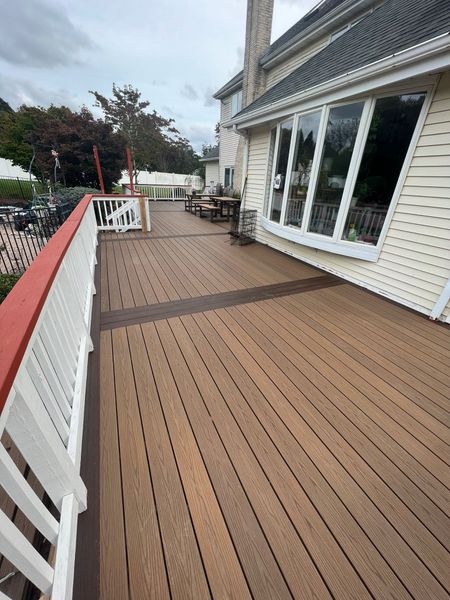
- Mold-resistant Lightweight Available in various colors
Though pricier than wood options, many find it worth the investment.
Choosing Between Wood and Composite Materials
Cost Considerations: Budgeting Your Project
When deciding between wood and composite decking, budget remains a significant factor. Natural timber typically costs less upfront but may require more ongoing maintenance costs like stains or sealants over time.
| Material Type | Initial roofing contractors Cost | Maintenance Costs | Lifespan | |--------------------|----------------|---------------------|------------------| | Natural Wood | Low | High | 10-15 years | | Composite | Medium | Low | 25+ years | | PVC | High | Very Low | 25+ years |
Maintenance Requirements: What to Expect
Wood decks often need annual sealing or staining to protect against moisture damage. In contrast, composite materials don’t require such frequent upkeep; simply cleaning with soap and water usually suffices.
Environmental Factors Influencing Material Choice
Climate Considerations: Weather Effects on Deck Materials
Your local climate plays an essential role in your material choice:
Humidity Levels:- High humidity can lead to mold growth on wooden decks.
- Extreme heat can cause some plastics to warp.
- Areas with heavy rainfall may benefit from water-resistant materials like PVC.
Local Wildlife: Pests That Can Compromise Your Deck's Integrity
In areas prone to termites or other pests, opting for pressure-treated lumber may help keep your deck safe from damage caused by insects.
Evaluating Your Home's Aesthetic Style
Matching Your Home's Architecture
Your deck should complement your home's existing architecture:
- Traditional styles work well with natural woods. Contemporary homes might benefit from sleek composite finishes.
Always consider how different materials would look next to features like house painting or roofing styles before making a decision.
Creating Outdoor Spaces That Flow with Your Home Design
Think about how your deck will fit into your overall landscape design; does it provide seamless access from indoor spaces? Does it create harmony among different areas?
Trends in Deck Building Materials
Sustainable Choices: Eco-Friendly Options Available Today
Sustainability is becoming increasingly important in material selection:
Recycled composites Sustainably sourced woodsSeek products certified by organizations like the Forest Stewardship Council (FSC).
Innovations in Synthetic Materials
New advancements mean synthetic materials keep getting better:
- Enhanced color stability Improved textures that mimic real wood
These innovations can offer practical solutions while still delivering aesthetic charm!
The Role of Professional Expertise in Material Selection
Why Consult Experienced Deck Builders?
Professional guidance can save you time and money down the line:
Knowledgeable about local weather conditions Familiarity with building codes Insight into new materials on the marketConsulting experienced deck builders ensures you’ll make informed decisions that align with both functional needs and aesthetic desires.
DIY vs Hiring Professionals: Who Should Build Your Deck?
The Pros & Cons of DIY Projects
While tackling a deck project yourself offers satisfaction and potential savings, it also comes with risks:
- Inexperience can lead to costly mistakes.
Pros: Cost-effective
Cons: Time-consuming; potential errors
When Is It Best To Hire Construction Companies?
If you're looking for high-quality craftsmanship without hassle, hiring professionals is often best:
They ensure adherence to building codes. They manage permits and inspections.Ultimately, weigh your skills against project complexity when deciding!
Budget Planning for Your Deck Project
Estimating Costs Effectively
Creating an accurate budget involves more than just material prices:
Labor costs Permits Accessories like railings or lightingDon’t forget tools if going DIY!
Contingency Funds: Preparing for Unexpected Expenses
It's wise to set aside an additional 10%–20% of your budget as contingency funds for emergencies or last-minute changes during construction.
Common Mistakes Made When Selecting Materials
Overlooking Climate Suitability
Many homeowners fail to consider their local climate when choosing materials; this can lead to premature wear-and-tear on their decks.
Ignoring Long-Term Maintenance Needs
Select low-maintenance options if you prefer spending weekends enjoying rather than working on upkeep tasks!
FAQs Section
Q1: What are the most durable decking materials available?
A1: Composite decking tends to be one of the most durable options available today due to its resistance against moisture damage compared with traditional woods.
Q2: How do I maintain my wooden deck?
A2: Regularly applying sealants every couple of years roof repair https://www.avantgardenj.com helps protect against rot; clean debris off regularly too!
Q3: Are there eco-friendly decking options?
A3: Yes! Look for recycled composites or sustainably sourced woods certified by organizations like FSC for eco-conscious choices.
Q4: How much does it cost to build a deck?
A4: Costs vary widely based on size/materials used but expect anywhere between $15-$35 per square foot as a rough estimate including labor!
Q5: Can I install my own deck?
A5: Absolutely! However, ensure you're familiar with local building codes/requirements before diving into DIY projects!
Q6: What type of railing should I choose?
A6: Railing choices depend largely on personal style; however glass or aluminum railings offer modern aesthetics while wooden railings provide classic charm!
Conclusion
Choosing the right materials for your deck involves considering several factors—from climate suitability and aesthetics to long-term maintenance needs—making expert advice invaluable throughout this process! By understanding these elements thoroughly (and referencing tips shared here), you'll be better equipped when collaborating with skilled professionals like deck builders, ensuring that whatever decisions made result in beautifully functioning outdoor spaces tailored just for YOU! So go ahead—take charge of that backyard transformation today!